

Can hollow composite decking be used in coastal areas?
Oct 28, 2026
Leave a message
Coastal areas are known for their unique charm and beautiful scenery, attracting homeowners and developers alike to build decks that can withstand the harsh marine environment. As a supplier of hollow composite decking, I often receive inquiries about whether our products can be used in coastal areas. In this blog post, I will delve into the suitability of hollow composite decking for coastal applications, exploring its benefits, potential challenges, and how it compares to other decking materials.
Understanding Hollow Composite Decking
Before we discuss its use in coastal areas, let's first understand what hollow composite decking is. Hollow composite decking is a type of decking material made from a combination of recycled wood fibers and plastic polymers. The "hollow" aspect refers to the internal structure of the decking boards, which are designed with a hollow core. This design offers several advantages, including reduced weight, improved drainage, and cost savings compared to solid composite decking.
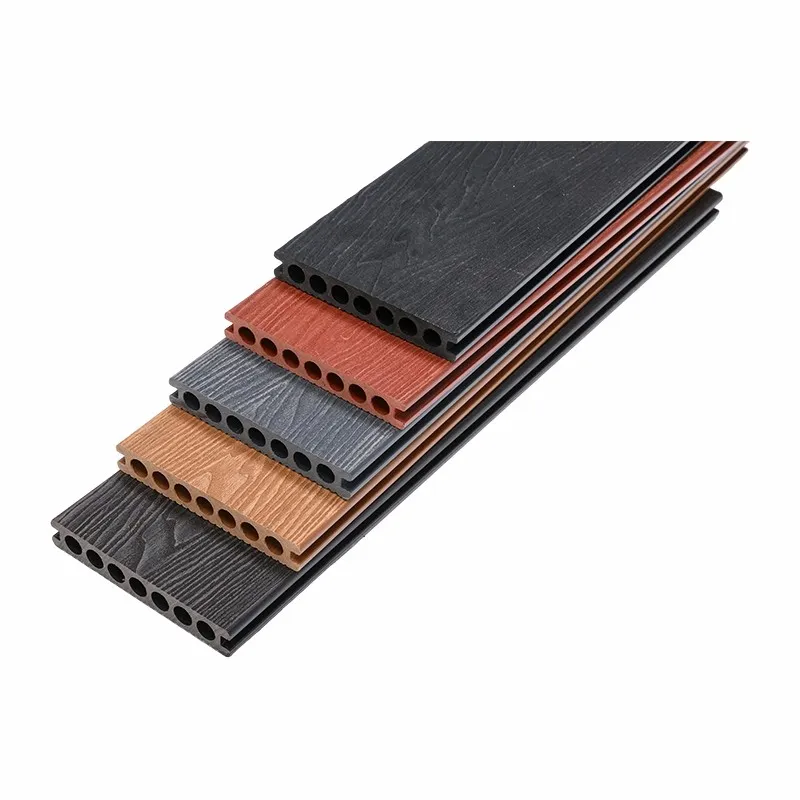

Hollow composite decking comes in a variety of styles, colors, and textures, mimicking the look of natural wood while offering enhanced durability and low maintenance. It is a popular choice for both residential and commercial decking projects due to its versatility and long - term performance. For more information on our Hollow Core Composite Decking, visit our website.
Benefits of Using Hollow Composite Decking in Coastal Areas
Resistance to Moisture and Rot
One of the most significant challenges in coastal areas is the high level of moisture in the air and soil. Traditional wood decking is prone to rot, decay, and fungal growth when exposed to constant moisture. In contrast, hollow composite decking is highly resistant to moisture. The plastic polymers in the material act as a barrier, preventing water from penetrating the decking boards and causing damage. The hollow core also allows for better drainage, reducing the risk of water pooling on the surface.
Saltwater Resistance
Coastal environments are often exposed to saltwater, which can corrode and damage many materials. Hollow composite decking is designed to resist the corrosive effects of saltwater. The composite material does not rust or corrode like metal decking, and it is less likely to be damaged by the abrasive nature of salt particles compared to natural wood. This makes it a suitable choice for decks located near the ocean or in areas with high salt spray.
Low Maintenance
Maintaining a deck in a coastal area can be a challenging task. Traditional wood decks require regular staining, sealing, and painting to protect them from the elements. Hollow composite decking, on the other hand, requires minimal maintenance. A simple cleaning with soap and water a few times a year is usually sufficient to keep the deck looking new. This is a significant advantage for homeowners and property managers in coastal areas who want to spend more time enjoying their decks and less time maintaining them.
Durability
Coastal areas are subject to strong winds, storms, and other extreme weather conditions. Hollow composite decking is engineered to be durable and can withstand these harsh environmental factors. The composite material is strong and flexible, able to resist impacts and bending without cracking or breaking. This durability ensures that the deck will last for many years, even in the face of challenging coastal weather.
Potential Challenges and How to Overcome Them
Thermal Expansion and Contraction
Like all composite materials, hollow composite decking can expand and contract with changes in temperature. In coastal areas, where temperatures can vary significantly between day and night, this can be a concern. However, proper installation techniques can help mitigate this issue. It is important to leave appropriate expansion gaps between the decking boards during installation to allow for movement. Additionally, choosing a high - quality hollow composite decking product that has been tested for thermal stability can help minimize the effects of expansion and contraction.
UV Resistance
The sun's ultraviolet (UV) rays can cause fading and damage to decking materials over time. In coastal areas, where the sun is often intense, UV resistance is crucial. Our Hollow Composite Deck Board is formulated with UV - resistant additives to protect against fading and discoloration. This ensures that the deck will maintain its color and appearance for many years, even under direct sunlight.
Comparison with Other Decking Materials
Natural Wood
As mentioned earlier, natural wood is prone to rot, decay, and insect damage in coastal areas. It also requires regular maintenance to keep it looking good. In contrast, hollow composite decking offers superior moisture resistance, durability, and low maintenance. While natural wood may have a more traditional look, the long - term benefits of hollow composite decking make it a more practical choice for coastal applications.
Metal Decking
Metal decking can be strong and durable, but it is susceptible to corrosion in saltwater environments. The cost of maintaining and protecting metal decking from rust can be high. Hollow composite decking, on the other hand, is corrosion - resistant and does not require the same level of maintenance as metal decking. It also offers a wider range of design options and a more natural appearance.
Installation Considerations for Coastal Areas
When installing hollow composite decking in coastal areas, there are a few additional considerations to keep in mind. First, the substructure of the deck should be made of materials that are also resistant to moisture and saltwater. Pressure - treated wood or galvanized steel are common choices for the joists and support beams. Second, proper flashing should be installed around the perimeter of the deck and any penetrations, such as posts or stairs, to prevent water from seeping into the substructure. Finally, it is important to follow the manufacturer's installation instructions carefully to ensure the deck is installed correctly and will perform well in the coastal environment.
Conclusion
In conclusion, hollow composite decking is an excellent choice for coastal areas. Its resistance to moisture, saltwater, and rot, combined with its low maintenance requirements and durability, make it a practical and attractive option for decking projects near the ocean. While there are some potential challenges, such as thermal expansion and UV resistance, these can be effectively managed through proper product selection and installation techniques.
If you are considering a decking project in a coastal area, I encourage you to explore our range of Hollow Decking Boards. Our team of experts is available to answer any questions you may have and to provide guidance on the best products for your specific needs. Contact us today to start the conversation about your next decking project.
References
- "Composite Decking: A Guide to Materials and Installation", Home Improvement Association.
- "Coastal Building Codes and Best Practices", National Association of Home Builders.
- Product specifications and research data from our in - house testing facilities.