

Can garden composite fencing withstand harsh weather?
Jan 09, 2026
Leave a message
Hey there! I'm a supplier of Garden Composite Fencing, and I often get asked this question: Can garden composite fencing withstand harsh weather? Well, let's dive right in and find out.
First off, what exactly is garden composite fencing? It's a type of fencing made from a blend of wood fibers and plastic. This combination gives it some unique properties that set it apart from traditional wood fencing. You can check out more about Garden Composite Fencing on our website.
One of the biggest concerns when it comes to fencing is how it holds up against the elements. Harsh weather can come in many forms - scorching heat, freezing cold, heavy rain, strong winds, and even snow. Let's break down how garden composite fencing fares in each of these conditions.
Heat
In the summer, temperatures can soar, and traditional wood fencing can take a beating. Wood expands when it gets hot, which can lead to warping, cracking, and splitting. But garden composite fencing is different. The plastic component in the composite material helps it maintain its shape even in high temperatures. It doesn't expand and contract as much as wood, so you don't have to worry about it warping or cracking. This means your fence will look great all summer long, no matter how hot it gets.
Cold
On the flip side, winter can be just as tough on fencing. Freezing temperatures can cause wood to become brittle and break. Snow and ice can also add extra weight to the fence, putting stress on the structure. Garden composite fencing, however, is more resistant to cold weather. The plastic in the composite helps it stay flexible, even in freezing temperatures. It can withstand the weight of snow and ice without breaking or cracking. So, you can enjoy a beautiful fence all winter without having to worry about damage.
Rain
Rain is another common weather condition that can affect fencing. Wood can absorb water, which can lead to rot, mold, and mildew. This not only looks bad but can also weaken the structure of the fence over time. Garden composite fencing is much more water-resistant than wood. The plastic in the composite creates a barrier that prevents water from being absorbed. This means it's less likely to rot, mold, or mildew. Even after heavy rain, your fence will dry quickly and stay looking great.
Wind
Strong winds can also pose a threat to fencing. Traditional wood fencing can be easily damaged by high winds, especially if it's not properly installed. Garden composite fencing is designed to be more wind-resistant. The composite material is stronger and more durable than wood, so it can withstand the force of strong winds without bending or breaking. Additionally, many garden composite fences are designed with a sturdy structure that helps them stay upright even in windy conditions.
Snow
In areas with heavy snowfall, snow can accumulate on the fence, putting extra stress on the structure. Wood fences can sometimes collapse under the weight of snow. Garden composite fencing, however, is better able to handle the weight of snow. Its strong and flexible structure allows it to bend slightly under the weight of the snow without breaking. Once the snow melts, the fence will return to its original shape.
Now that we've seen how garden composite fencing can withstand harsh weather, let's talk about some of the other benefits of choosing this type of fencing.
Low Maintenance
One of the biggest advantages of garden composite fencing is that it's low maintenance. Unlike wood fencing, which requires regular staining, painting, and sealing to protect it from the elements, garden composite fencing only needs occasional cleaning. You can simply hose it down with water and a mild detergent to keep it looking great. This saves you time and money in the long run.
Longevity
Garden composite fencing is also very long-lasting. It can last for many years without showing signs of wear and tear. The composite material is resistant to rot, mold, mildew, and insect damage, so it will stay looking great for a long time. This means you won't have to replace your fence as often as you would with traditional wood fencing.
Aesthetics
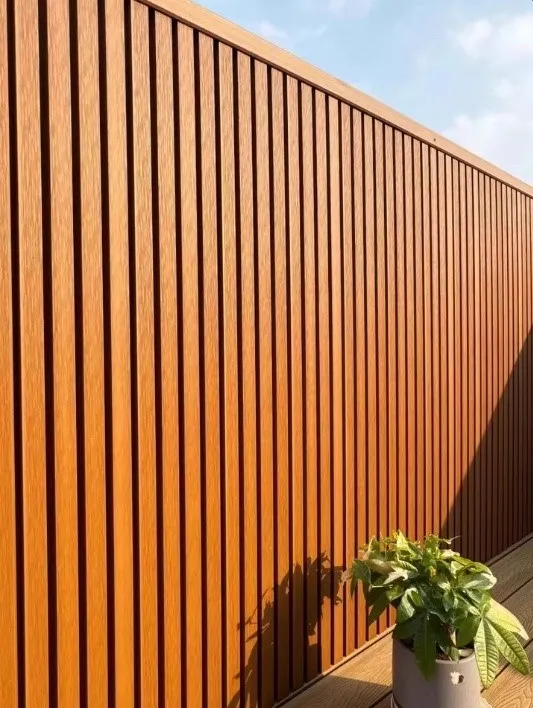
In addition to its durability and low maintenance, garden composite fencing also looks great. It comes in a variety of colors and styles, so you can choose the one that best suits your home and garden. Whether you're looking for a modern, sleek look or a more traditional, rustic style, there's a garden composite fence that's right for you. You can also check out Composite Fence Cladding for more options to enhance the look of your fence.
Environmental Friendliness
Another benefit of garden composite fencing is that it's more environmentally friendly than traditional wood fencing. The composite material is made from recycled wood fibers and plastic, which helps reduce waste. Additionally, because it lasts longer than wood fencing, you won't have to replace it as often, which means less waste in landfills.
So, as you can see, garden composite fencing is a great choice for anyone looking for a durable, low-maintenance, and attractive fencing option. It can withstand harsh weather conditions, looks great, and is environmentally friendly. If you're interested in learning more about Wood Plastic Composite Fence or other garden composite fencing products, please don't hesitate to contact us. We'd be happy to answer any questions you have and help you find the perfect fence for your garden.
Whether you're building a new fence or replacing an old one, garden composite fencing is definitely worth considering. Its ability to withstand harsh weather, combined with its many other benefits, makes it a smart choice for any homeowner. So, why wait? Contact us today to start planning your new garden composite fence.
References
- "Composite Fencing: A Durable and Attractive Option for Your Garden." Gardening Today, 2023.
- "The Benefits of Garden Composite Fencing." Home Improvement Magazine, 2022.
- "How to Choose the Right Fencing for Your Home." Fencing Guide, 2021.